
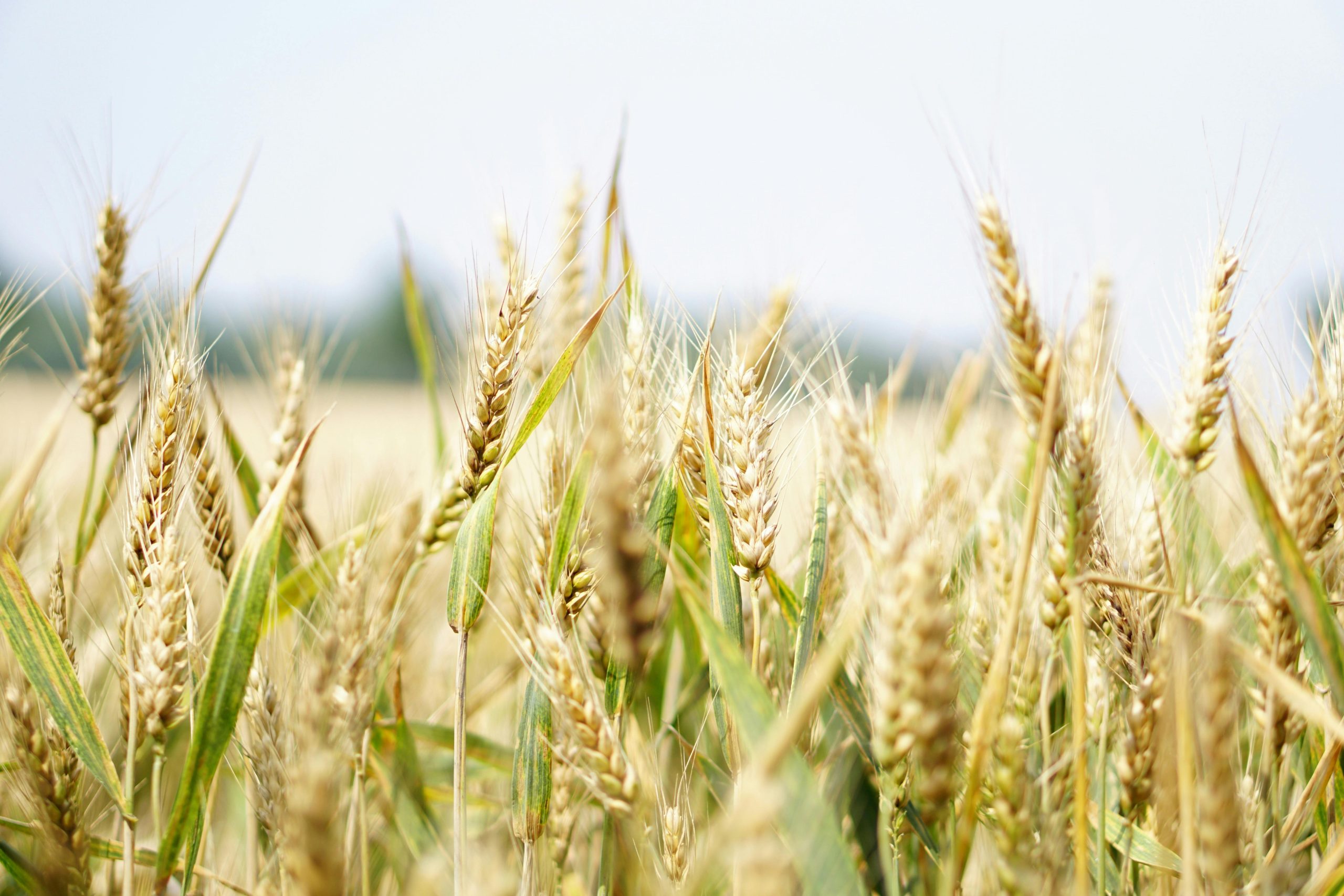
On a global level, the grain market is huge. Large commodities like corn, wheat, and soybeans are the leaders. However, for agile farmers and traders seeking reduced price fluctuations, they should go to niche markets for speciality grain trading.
These grains serve particular dietary needs, consumer trends, and environmental certifications. Moving them to high-value ingredients.

Eager to learn more? This blog will fulfill the purpose.
Demand for Clean Grains
Consumers are increasingly seeking products free from specific allergies or restrictive diets. This is one of the largest drivers of the specialty grain market:
Gluten-Free Options
Grains like millet, quinoa, amaranth, and buckwheat have experienced explosive growth because of the demand for gluten-free substitutes. To trade these grains, you require deep provenance knowledge and certification standards, ensuring they meet strict purity requirements, while preventing cross-contamination.
Old is Gold
Aside from being gluten-free, ancient grains like spelt, farro, and teff appeal to consumers, especially those searching for minimally processed and nutritionally dense foods with historical authenticity. Therefore, this specialty grain trading market asks a price premium, rewarding traders securing consistent supply chains.
Supports the Global Food Industry
Specialty grains support the food manufacturing and beverage industries. This provides stable, high-volume contracts:
The Craft Beer Explosion
The explosion of craft beer has created a niche for malting barley and distinct adjunct grains like wheat and oats. The alcohol consists of specific starch and protein characteristics.
Traders supplying micro-maltsters and craft breweries can build long-term, high-margin relationships.
Functional Food and Pet Food
Certain types of peas, lentils, or specialty oats are used in quality pet and functional foods. These grains require consistency and demand a certain way of processing to meet high safety and nutritional standards.
Overcomes Niche Market Trading Challenges
Trading specialty grains differs from trading bulk commodities.
Logistics and Storage
In smaller volumes, grains require specialized, segregated storage to prevent contamination. Logistics must be highly trustworthy to shield the premium value.
If you are interested in specialty grain trading, Bester (Bex Group) is your calling. Contact them to learn more about the niches and where you stand a good chance.
Frequently Asked Questions
What makes specialty grains more attractive to traders than bulk commodities?
Specialty grains are more attractive because they cater to specific consumer trends and certifications (like gluten-free or organic).
What does “Identity Preserved (IP)” grain trading mean?
Identity Preserved (IP) trading involves maintaining the purity and segregation of a specific grain variety throughout the entire supply chain, from the farm to the processor.