
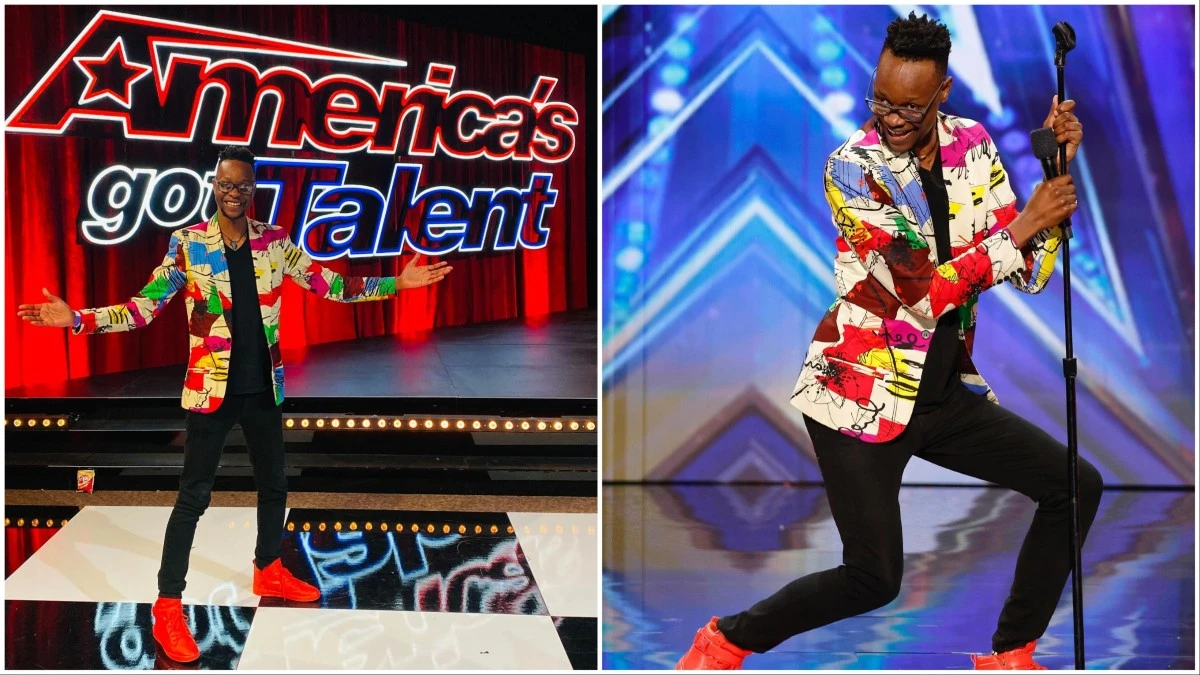
Lion King Composer Lebo M Files R370 Million Lawsuit Against Zim Comedian Learnmore Jonasi Over “Nants’ Ingonyama”
South African Grammy-winning composer Lebohang “Lebo M” Morake has reportedly filed a R370 million (US$20 million) lawsuit in a United States federal court against Zimbabwean comedian Learnmore Mwanyenyeka Jonasi following a viral joke about the famous chant from The Lion King.
The legal dispute centres on the opening chant “Nants’ Ingonyama,” heard at the beginning of the iconic song Circle of Life in the Disney film. The matter escalated after Jonasi made a humorous remark about the meaning of the chant in a video that circulated widely on social media.
According to Zimbabwean publication 263Chat, the lawsuit alleges misrepresentation, defamation and cultural misappropriation linked to the globally recognised chant.

“Grammy-winning composer Lebo M has filed a US$20 million lawsuit in a U.S. federal court against Zimbabwean comedian Learnmore Mwanyenyeka, alleging misrepresentation, defamation and cultural misappropriation tied to the iconic chant ‘Nants’ Ingonyama’.”
The publication added that Lebo M believes the chant was misused and commercially exploited without authorisation, prompting him to pursue legal action valued at R370 million (US$20 million).
Viral Joke About Lion King Chant Sparks Row
The controversy began after Jonasi discussed the opening line from The Lion King during a social media video.
In the clip, the Zimbabwean comedian jokingly suggested that the famous chant simply meant:
“Look, there’s a lion. Oh my God.”
The moment quickly went viral online, with many viewers finding humour in the interpretation of one of cinema’s most recognisable musical openings.
However, Lebo M, who helped bring the chant to global audiences through Disney’s The Lion King, strongly rejected the translation.
Lebo M Defends Cultural Roots Of “Nants’ Ingonyama”
In a statement issued through his publicity manager Simphiwe Majola on 4 March 2026, the South African musician emphasised that the chant carries deep cultural meaning tied to Southern African heritage.
“It is not an internet remix. It is Praise Imbongi – royal praise poetry carried in metaphor, lineage and living memory.”
He explained that the chant is rooted in long-standing praise traditions within the region.
“Rooted in the praise traditions of the Zulu and Xhosa people and introduced to global audiences through The Lion King, the chant translates to ‘Here comes a lion’, a proclamation of arrival, honour and sovereignty. It is praise, not parody. It is heritage and not hashtag.”
Lebo M also stressed that removing the chant from its cultural framework risks stripping it of its deeper meaning.
“To reinterpret it outside its cultural framework is to detach it from the very tradition that gives it meaning. Its translation is documented. Its origins are lived. Its significance is inherited, not invented.”
He further explained that “Nants’ Ingonyama” was originally recorded as a Praise Imbongi, a traditional proclamation associated with kingship and ancestral authority.
Meanwhile, reports indicate that Jonasi later responded in a video defending his remarks and explaining that he had been willing to engage in discussion about the translation.
The disagreement has since escalated into a high-profile legal battle reportedly worth R370 million (US$20 million), drawing international attention to the cultural meaning behind one of Africa’s most famous musical chants.