
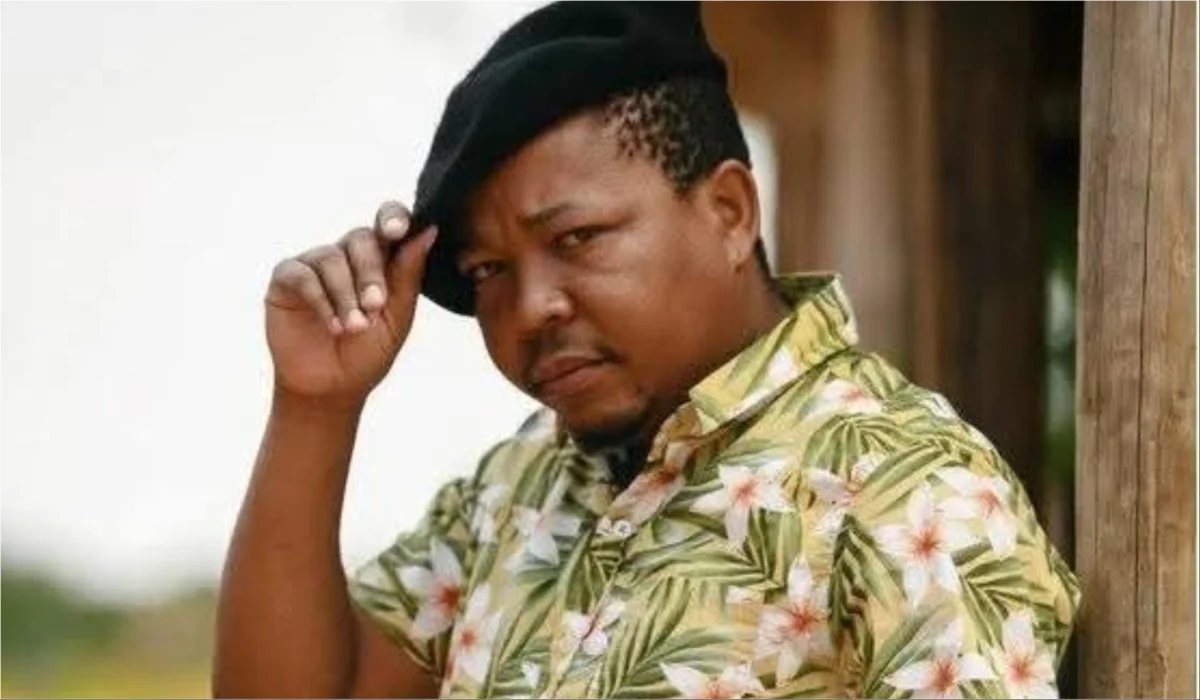
SIU Freezes Presley Chweneyagae House In NLC Fund Probe
The Special Investigating Unit has frozen a luxury Pretoria home linked to the late ‘Tsotsi’ actor Presley Chweneyagae, his spouse, and other respondents. This dramatic move is part of a major National Lotteries Commission corruption case involving millions meant for charity.
A preservation order from the Special Tribunal now prohibits any sale or transfer of the Hesteapark property. The order was granted on 18 December 2025.
Property Bought With Lottery Funds Meant For Youth
The SIU alleges the house was bought with money stolen from a grant intended to help young artists. According to the Special Investigating Unit (SIU), a R15 million (approx. US$804,000) NLC grant was approved for the Southern African Youth Movement NPO. The SIU states the money was then funnelled through a company owned by Chweneyagae.

The SIU investigation found that approximately R889,000 (approx. US$47,600) of these funds was used to purchase the private residence. The unit’s spokesperson confirmed the details on X.
“The property is alleged to have been purchased with approximately R889,000 diverted from a R15 million NLC grant meant for youth arts programmes.”
Legal Action Targets Estate And Co-Respondents
The court order names Ms Charlaine Christinah Chweneyagae in her personal capacity and as the Executrix of her late husband’s estate. Other respondents include Mr Alfred Muzwakhe Sigudla, the Southern African Youth Movement NPO, and Domestic Baboon (Pty) Ltd.
The order preserves the asset pending civil recovery proceedings. The SIU must institute these proceedings within 60 court days. Judge M Victor authorised the freeze.
The SIU is mandated to recover state funds lost to corruption. This investigation stems from Proclamation R32 of 2020, authorised by President Cyril Ramaphosa.
“The primary mission of the SIU is to recover proceeds from beneficiaries of NLC grant funding who are involved in unlawful activities, thereby restoring the State’s financial losses.”
The unit has stated that any evidence of criminal conduct will be sent to the National Prosecuting Authority. The focus remains on reclaiming public money.